
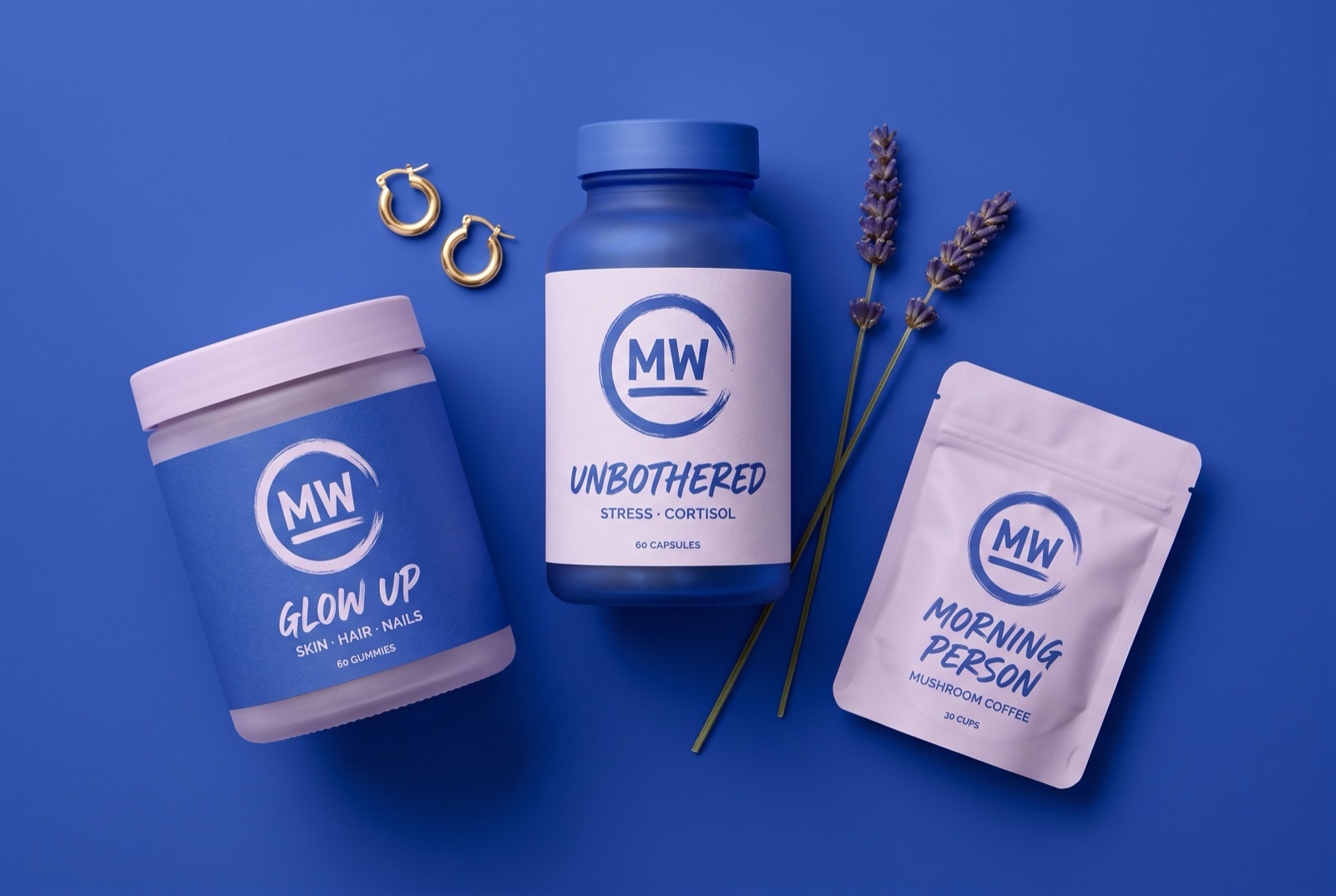
Multivitamins get a bit of a hard time. Either they are hyped as a cure for everything or dismissed as expensive pee. The honest answer sits in the middle. For a lot of women, a good daily multi is a smart, low effort safety net. Here is how to think about it.
what a multivitamin is actually for
A multivitamin is a safety net, not a meal. Its job is to quietly cover the small gaps in your diet on the days it is not perfect, which for most of us is most days. It is not there to fix a poor diet or work miracles. It is there so you are not slowly running low on the basics without realising.
the gaps women commonly have
- Iron. Periods raise how much iron you need, and low iron is a very common cause of tiredness in women.
- Vitamin D. Hard to get enough from food and sun alone, especially in winter.
- B12. Important for energy, and lower in plant based diets.
- Omega 3. Most of us do not eat enough oily fish to hit a good amount.
- Magnesium and folate. Easy to fall short on, and both do a lot of quiet work.
food first, always
No supplement beats a varied plate. Whole foods bring fibre, protein and a whole orchestra of nutrients that work together in ways a capsule cannot copy. A multivitamin earns its place around good eating, filling the inevitable gaps, not replacing the meals. Think of it as insurance, not dinner.
who benefits most
If you eat a broad, complete diet every single day, you may genuinely not need one. If you are busy and eat on the go, follow a restrictive or plant based diet, have heavy periods, or get very little sun, a daily multi is more likely to be worth it. THE BASICS is built for exactly that, a well rounded daily foundation made with women's common gaps in mind.
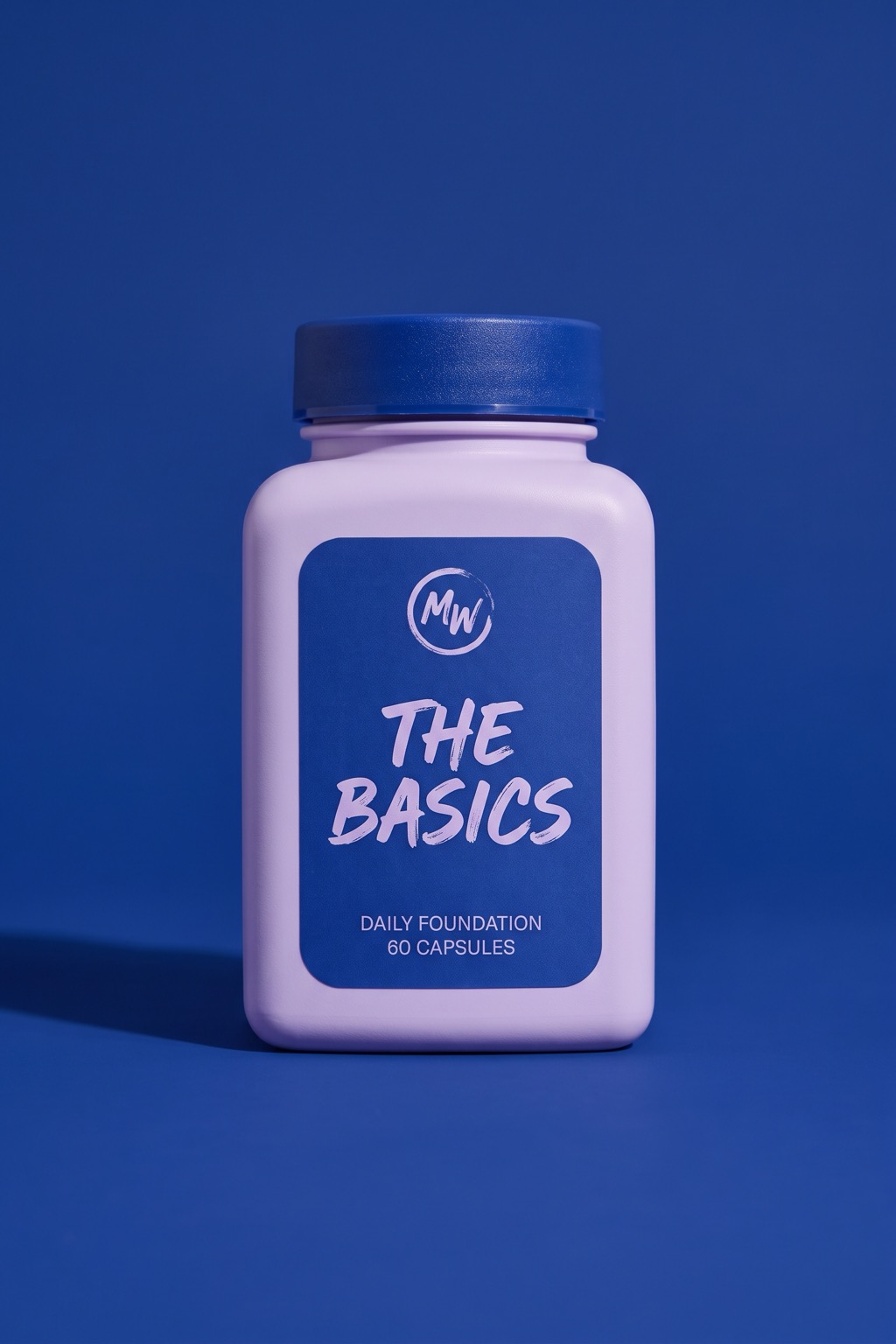
Daily / Foundation
THE BASICS.
A well rounded daily multi made with women's common gaps in mind.
how long before you notice
A multivitamin is a long game, not an instant hit. It works by keeping your levels topped up over time, so the benefit is more about not dipping into a deficiency than a same day boost. Take it consistently with food, give it a couple of months, and treat it as steady background support.
questions people actually ask
Do I really need a multivitamin?
Not everyone does, but most of us have gaps. If your diet is varied and complete every day, you may not need one. If it is realistically not, a good daily multi is a sensible safety net rather than a magic pill.
What vitamins are women most likely to be low in?
Iron, vitamin D, B12, omega 3, magnesium and folate come up again and again for women. Iron especially, since periods increase how much you need.
Can a multivitamin replace a healthy diet?
No, and it is not meant to. Whole foods bring fibre, protein and things a pill cannot. A multivitamin fills the gaps around a good diet, it does not stand in for one.
Is it safe to take a multivitamin every day?
A well formulated daily multi is designed for exactly that. Stick to sensible doses, and if you are pregnant, nursing or taking medication, check with your doctor first since some needs change.