
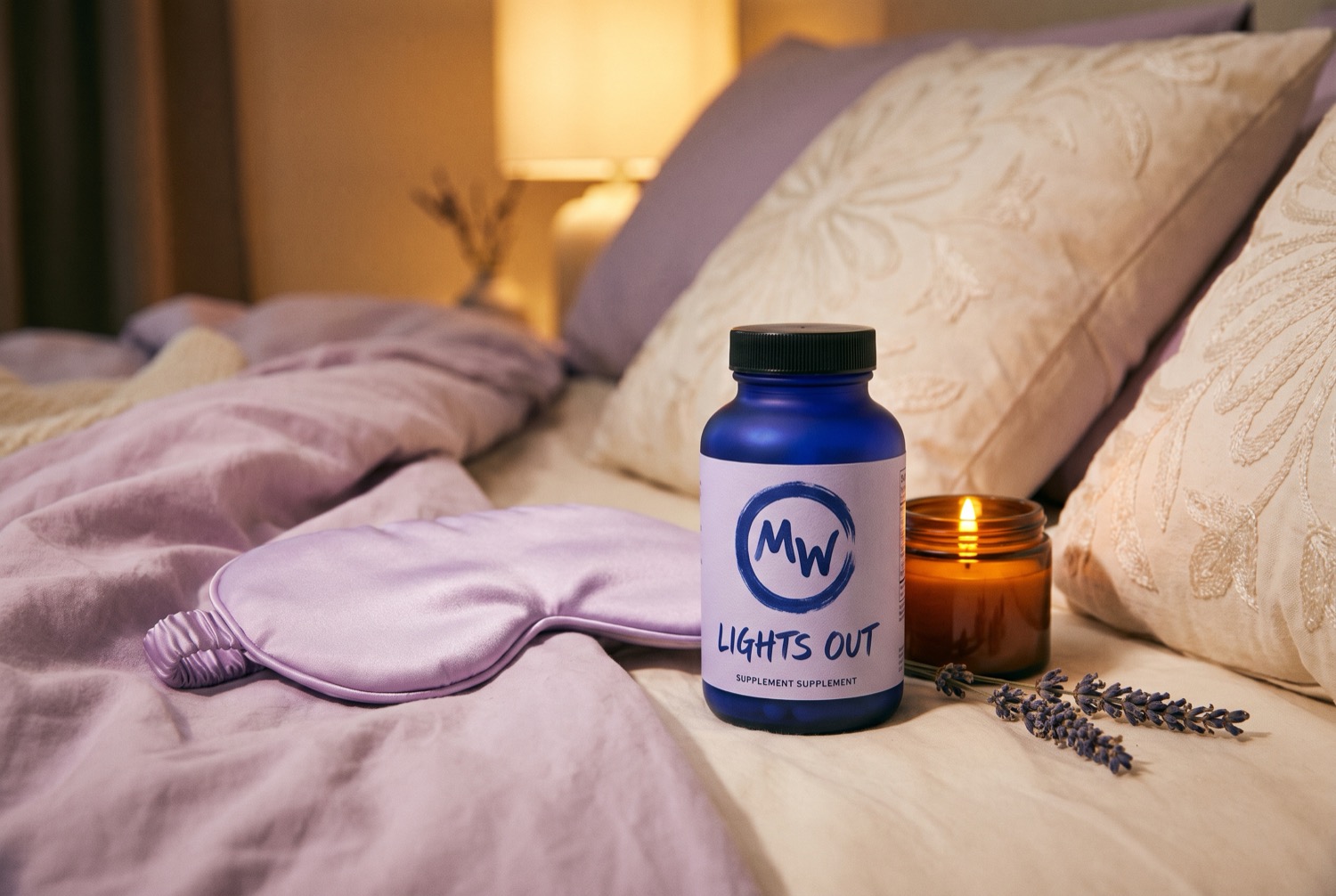
Melatonin became the main character of the sleep aisle, and for a lot of us it comes with a catch. You fall asleep fine, then wake up feeling like you got hit by a soft truck. If that is you, this is your permission slip to try a gentler way.
Good sleep is not really about knocking yourself out. It is about helping your nervous system feel safe enough to let go. Here is how to do that without the morning fog.
why melatonin can leave you groggy
Melatonin is a hormone your body already makes in tiny amounts to signal that it is night. The problem is that a lot of supplements contain doses many times higher than what your body would ever release, and that extra can hang around into the morning. That leftover heaviness is the melatonin hangover people describe.
It also does not do much for the quality of your sleep once you are under. It helps with the falling asleep part, then leaves the rest to chance. So if your issue is waking up unrefreshed, more melatonin is often the wrong lever.
the sleep basics that do the heavy lifting
Keep your sleep and wake time steady
Your body loves a rhythm. Going to bed and waking up around the same time, even on weekends, is the single most powerful thing you can do for sleep. It trains your internal clock so falling asleep stops being a nightly negotiation.
Dim the lights at night
Bright light late tells your brain it is still daytime and delays your own natural melatonin. Lamps over ceiling lights, screens down an hour before bed, and let the evening actually feel like evening.
Cool the room down
Your core temperature needs to drop slightly for deep sleep. A cooler room, breathable bedding, and a warm shower before bed that lets you cool down after all nudge you into deeper rest.
Cut caffeine after early afternoon
Caffeine has a long tail. That 4pm coffee can still be in your system at bedtime even if you feel fine. Try moving your last cup to early afternoon and notice how much softer the wind down feels.
the calming ingredients worth knowing
Magnesium glycinate
Magnesium supports the rest and relax side of your nervous system, and a lot of us are quietly running low. The glycinate form is gentle on your stomach and the one people reach for at night for that settled, heavy limbed calm.
L theanine
The calm amino acid from green tea. It quiets a busy mind without sedating you, which is perfect for the racing thoughts that show up the moment your head hits the pillow.
Reishi
A calming mushroom that has been used for centuries to support relaxation and a sense of ease in the evening. It is the opposite of a knockout, it just helps take the edge off so sleep can find you.
building a wind down that actually sticks
The trick is to make it small enough that you will actually do it. Same time most nights, lights low, phone across the room, a few pages of a book or a few slow breaths. Your nervous system starts to read that little sequence as the signal that the day is over, and after a couple of weeks it becomes automatic.
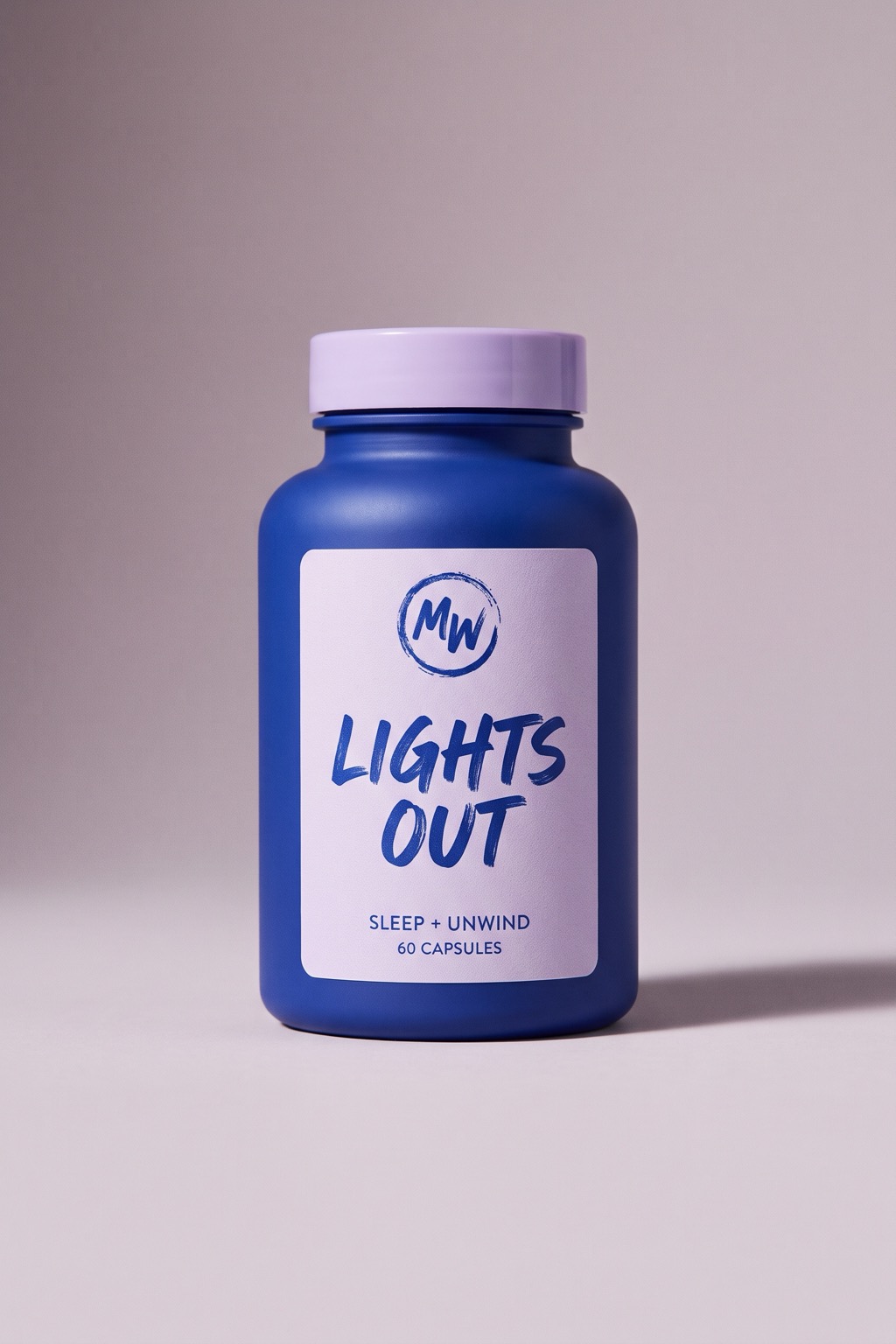
This is exactly what LIGHTS OUT is built for. Magnesium and reishi with zero melatonin, so you get the calm and the deeper rest without the groggy morning tax.
how long to give it
Be patient with the rhythm. The light, temperature and caffeine changes help within a few nights, and the full benefit of a steady schedule plus calming support tends to land after a week or two once your body trusts the new pattern. If sleep problems are ongoing or severe, please loop in your doctor, real rest is worth real support.
questions people actually ask
Why does melatonin make me groggy?
Most melatonin sold is dosed far higher than the tiny amount your body actually makes, and it can linger into the morning. That leftover feeling is the grogginess a lot of people describe as a melatonin hangover.
What helps you sleep instead of melatonin?
A steady sleep and wake time, dim light at night, a cool room, cutting caffeine after early afternoon, and calming ingredients like magnesium glycinate, L theanine and reishi that help your nervous system settle rather than knocking you out.
Does magnesium really help sleep?
Magnesium supports the relaxation side of your nervous system and a lot of people are running low on it. The glycinate form is gentle on your stomach and the one most people reach for at night.
Is it safe to take a sleep supplement every night?
Melatonin free formulas built around magnesium and calming botanicals are designed for regular use and are not habit forming the way you might worry. As always, if you are pregnant, nursing or on medication, check with your doctor first.